
Summary:
- How do school trips put children at risk of becoming lost?
-
What are the risks children face while lost?
- Why traditional ID methods for school trips aren't enough?
- How to reduce the risks associated with children getting lost on school trips?
Even Well-Organised Trips Can’t Prepare for the Unexpected
It’s a busy school trip at the museum, and your class are enjoying looking at the natural history exhibit. The children let out squeals of delight and mock terror while gazing at ancient dinosaur bones, before sprawling on the ground to fill out their worksheets, followed by happily munching on sandwiches while babbling about all the amazing things they’ve seen.
When it’s almost time to leave the museum and take them back to school for end-of-day pick-up, you do another head count just to check -but you’re one child short. One more count before panic kicks in, your stomach turns, and you alert fellow staff members. An exciting day out full of learning and student bonding is turned on its head as teachers, volunteers, and museum staff frantically search for the lost child.
This scenario is familiar to teachers worrying about their next school trip with children under 10. Although school trips are meticulously planned, carefully risk assessed, and managed attentively by teachers and volunteers, sometimes even the tightest-run ship can hit an unexpected rock. It only takes one child to stop holding their buddy’s hand, get distracted by an exhibit, wander off due to boredom, or just lag behind and get separated.
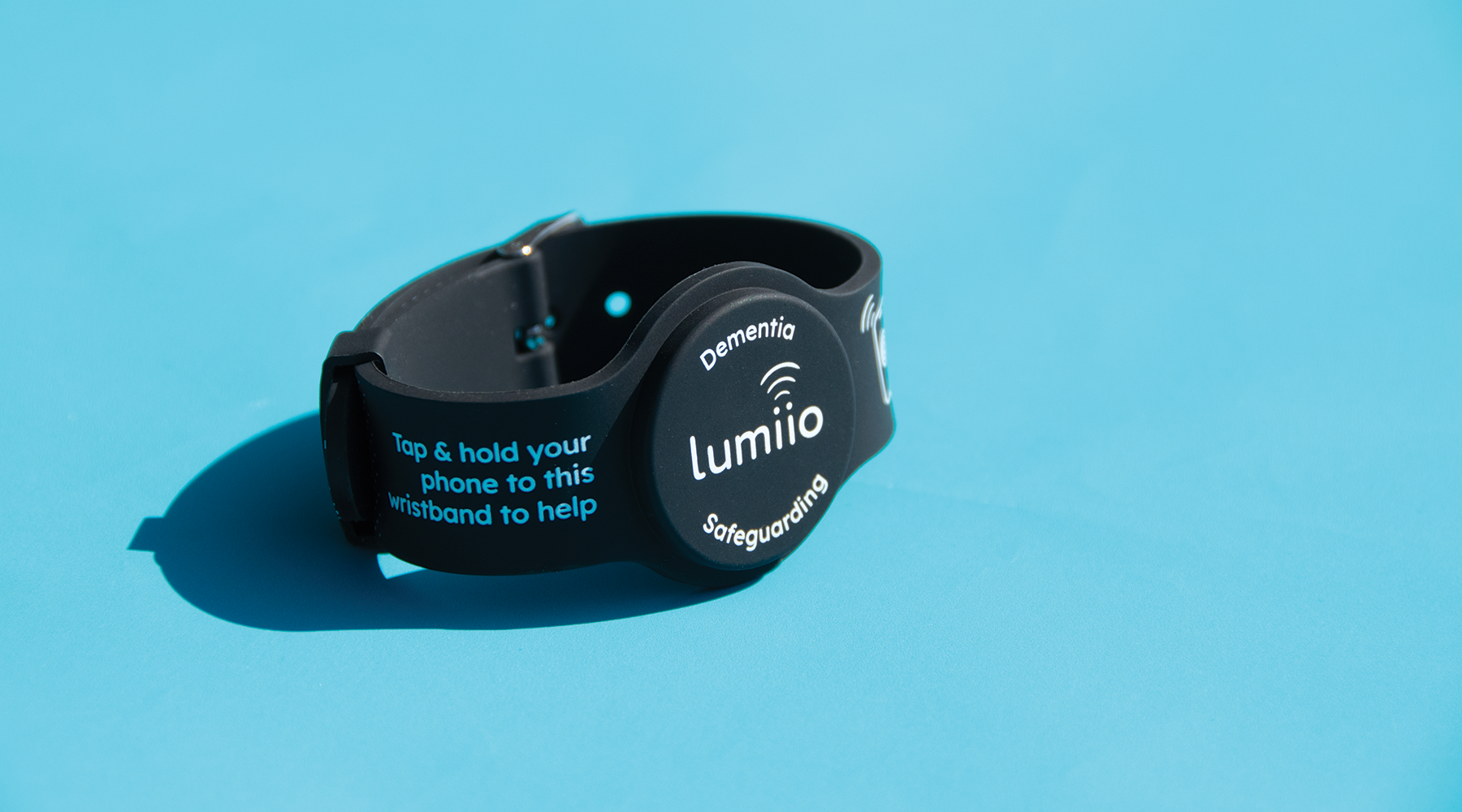
It is crucial to always be prepared for the worst, which is why ID wristbands are the simple, smart solution to reduce reunion time for lost or separated children on busy school trips. Wearable, NFC-enabled wristbands ensure that the teacher’s contact details, the school trip’s meeting point, and the child’s key information (allergies, diabetes, etc) are immediately accessible whenever they’re needed. So, you can have peace of mind that in the unlikely event a child does become lost or separated, they can be quickly and smoothly reunited.
School Trips for Children
School trips can be hugely beneficial for young children. Whether they are afternoons out, day trips, or residentials, children get to experience and learn new things while bonding with their classmates. School trips can teach valuable life and social skills, not to mention forming life-long fond memories.
Although there are many positives to taking young children and toddlers on school trips, parents, caregivers, and teachers must also weigh up the risks. School trips are full of moments where children can easily become separated, lost, distracted, or wander off. Common causes of children getting lost or separated on school trips include:
- Excitement and distractions
- Different walking speeds
- Lunch or snack time
- Multiple school trips in one venue or area
- Large crowds
- Upsetting loud sounds or bright lights
- SEN Children
- Toilet breaks

The Risks
There can be huge risks for a child who has become lost or separated from the teacher, staff member, or volunteer acting as their responsible adult; they could be at risk of traffic accidents, bodies of water, strangers, or even environmental exposure. Luckily, it is more common that lost or separated children on school trips will simply become frightened or anxious before they are found. However, one child going missing hugely disrupts the rest of the school trip and can even put other children at risk while the search is ongoing.
If a child is suspected of being missing from a school trip, the teachers must alert venue staff or emergency services, search the surrounding area, and contact senior leadership and the child’s parents. These can all cause distress and upset for everyone involved. Similarly, looking for a lost or separated child may leave the other children with less supervision during the search, creating even greater risk.
Why Traditional ID Methods Aren’t Enough?
Schools already know the risks that are at play when you take 30+ young children on a trip. Many schools already attempt to mitigate these risks with other ID methods; common examples include paper wristbands or labels, high-vis jackets, or simply giving children verbal instructions to remember. However, these traditional solutions all fall at key hurdles, either they are unable to identify emergency contacts, are flimsy and tear or fade easily, or are indistinguishable from other school identifiers.

How Do Emergency ID Wristbands Ensure a Faster and Smoother Reunion?
Steps to Ensure Children are Safe:
- Children wear their school-branded Lumiio Kids wristband, it’s comfortable and battery-free, which makes it easy to wear even during longer residential trips.
- If the child becomes separated, bolts off, wanders, or gets lost for any other reason, a responsible adult can tap their unlocked smartphone against the wristband to bring up the emergency information page. (How to Use Lumiio Kids)
- The school trip’s meeting point, two emergency contacts, and the child’s essential details (like diagnoses or allergies) are immediately accessible to quickly and smoothly reunite the lost child.

Safety Considerations for Schools
Lumiio’s smart safeguarding technology is GDPR compliant and designed with privacy in mind. The information stored on the Kids Collection wristbands is minimal, focusing on the bare minimum needed to efficiently and safely reunite a lost child. Moreover, the data is stored directly on the NFC tag embedded in the Lumiio device, so nothing is stored in the cloud, and the information is only accessible by physically ‘reading’ the tag with a smartphone. The wristbands are battery and charging free, also waterproof and can last between 5-10 years.
Interested in Wristbands for Your Next School Trip?
We have our School Trip Pack ready with everything you need to protect students on their next big day out! In sizes 20, 32, and 40, we designed this pack to fit in with existing trip safety procedures.

The organic cotton bag is reusable, easily storing all pack sizes for easy transport and classroom storage. Using soft-touch silicone not only ensures the wristbands are waterproof, but also means they can be easily wiped down after use before storing.

If you are interested in purchasing some kids' safety ID Wristbands for upcoming school trips, we offer bulk fully customisable wristbands, including colour, graphics, school logo, and text. To enquire with the team, send an email to hello@lumiio.io or call 02045511450.

Share:
The Smart Solution for Children Wandering: NFC-Enabled Safeguarding
Why Autistic Children are More at Risk of Wandering?