

The clocks have gone back, cold winds are whipping up leaves, and the UK’s typical wintery darkness is closing in. Although this time of year can feel dreary, with less than appealing weather and the end of summer’s fun, for most it also signals the beginning of a joyful festive season.
Just as the outside becomes gloomier and darker, homes fill with warmth and light as we try to inject cheer into the winter months. Despite best efforts to create cozy homes and fuzzy feelings, not everyone can feel the seasonal joy November through to December.
For those living with dementia, British winter is a time of increased risk, danger, and worsened symptoms. In this blog we’ll outline the key dangers those with dementia face during the colder months, how to provide help, and what you can do to alleviate symptoms to reduce risk.
Understanding the Risks for Those with Dementia in Winter Months
Everyone can feel an increased sense of isolation and melancholy in the winter months, but this is often felt particularly strongly by those living with dementia. Longer periods inside the home and away from outside social interaction means many lose daily positive stimulation.
Having to stay inside due to colder, rainier, and sometimes icy weather can also cause distress by changing an individual with dementia’s routine. Increased confusion and discomfort are often felt in response to changes in what were established daily activities.
Furthermore, the wetter and sometimes snowy or icy conditions pose a much greater risk of slipping and falling. The dark creeping in earlier during the evening can also contribute to higher risks of tripping, falling, and getting hurt both inside and outside of the home. Not to mention that winter months are known to cause health risks ranging from colds and the flu to hypothermia and other more severe illnesses.
Finally, the well-known dementia symptom of ‘sundowning’ is often exacerbated in darker and colder months. The term sundowning refers to increased aggression, confusion, and agitation felt by those with dementia in the late afternoon into the evening.
Earlier sunsets can trigger restlessness as they often signal a transitional period of the day. Afternoon light fading generally meant time to leave school or work and head for home, this life-long routine is hard to break and can be particularly confusing for those living with dementia.

Winter Wandering Explained
Sundowning and colder, darker homes in particular often lead to increased wandering. The feeling of wanting to escape discomfort from the cold, to find somewhere lighter and more comfortable, or simply trying to “go home” leads to individuals leaving their home in a state of confusion and becoming lost.
Dementia wandering is already risky, 70% of those living with the condition will wander at some point and it can lead to distress, injury, or worse. Winter is an especially dangerous time for dementia wandering due to the increased risks of hypothermia, falls, and being unable to find home in the dark.
Supporting Dementia Care in the Colder Months
Now we’ve outlined the main dangers associated with dementia during the winter months, it’s crucial to know how to help.
Keep Them Cozy
- Individuals living with a form of dementia often won't recognise or be able to communicate discomfort caused by colder weather. That’s why it’s important to ensure those living with dementia are wrapped up warm for outside excursions and monitored inside with blankets on hand.
- Gloves, hand warmers, hats, and scarfs are all useful to keep on hand.
- Try to have their home heated to a comfortable temperature as much as possible, ideally 18+ degrees. Not only by putting the heating on but also guarding doors and windows against draughts.
- At night, hot water bottles or heated electric blankets can help keep their bed warm.
Keep Them Moving
- Another way to stave off the cold is to encourage those living with dementia to stay active. Regular walking, or at least getting up once every hour, is crucial for boosting circulation.
Keep Them Happy
- The decreased daylight common in winter months is known to increase feelings of anxiety, confusion, and depression for those living with a form of dementia.
- Ensuring you make the most of any and all sunlight can do a world of good, whether that is a walk outside or simply sitting in a garden, balcony, or front porch.
- When in the home, keeping blinds or curtains open to let in light can help.
- Not letting the change in daylight hours affect their routine is also advised, as any changes to the individual with dementia's routine could cause agitation or confusion.
- Finally, the NHS recommends taking Vitamin D supplement tablets during winter in the UK to further stave off any symptoms of SAD (Seasonal Affective Depression).
Keep Them Healthy
- For individuals to keep active to stay warm can take up a lot of energy and cause thirst. During winter months it can be especially important to make sure an individual with dementia is regularly eating and drinking.
- If the individual is unhappy to eat large enough meals, encourage regular snacking.
- Conversely, it is advised to avoid alcohol as it actually makes your body temperature cooler despite making you feel warmer.
- Check their home for potential trip hazards, removing any and securing lose carpeting or rugs. Ensuring their home is also well-lit can decrease the risk of trips or falls during the earlier, darker evenings.
Keep Them Safe
- Ensuring the home of the individual with dementia has door alarms and sensors that alert other house members, outside carers, or loved ones can provide security and prevent wandering.
- Try to supervise the person with dementia as much as possible, particularly during outdoor excursions or activities.
- Most importantly, if your loved one with dementia is at risk of wandering it is crucial that they carry a form of identification. Ideally this ID will be wearable and comfortable, with quick access to their essential information.
- Those with dementia are at a much greater risk of serious injury, distress, or even worse when wandering. Risks that are made worse during colder, windier, icier, and wetter months. Ensuring their emergency contacts can be informed and that they can be identified as quickly as possible is essential.

How To Protect Them From Winter Wandering
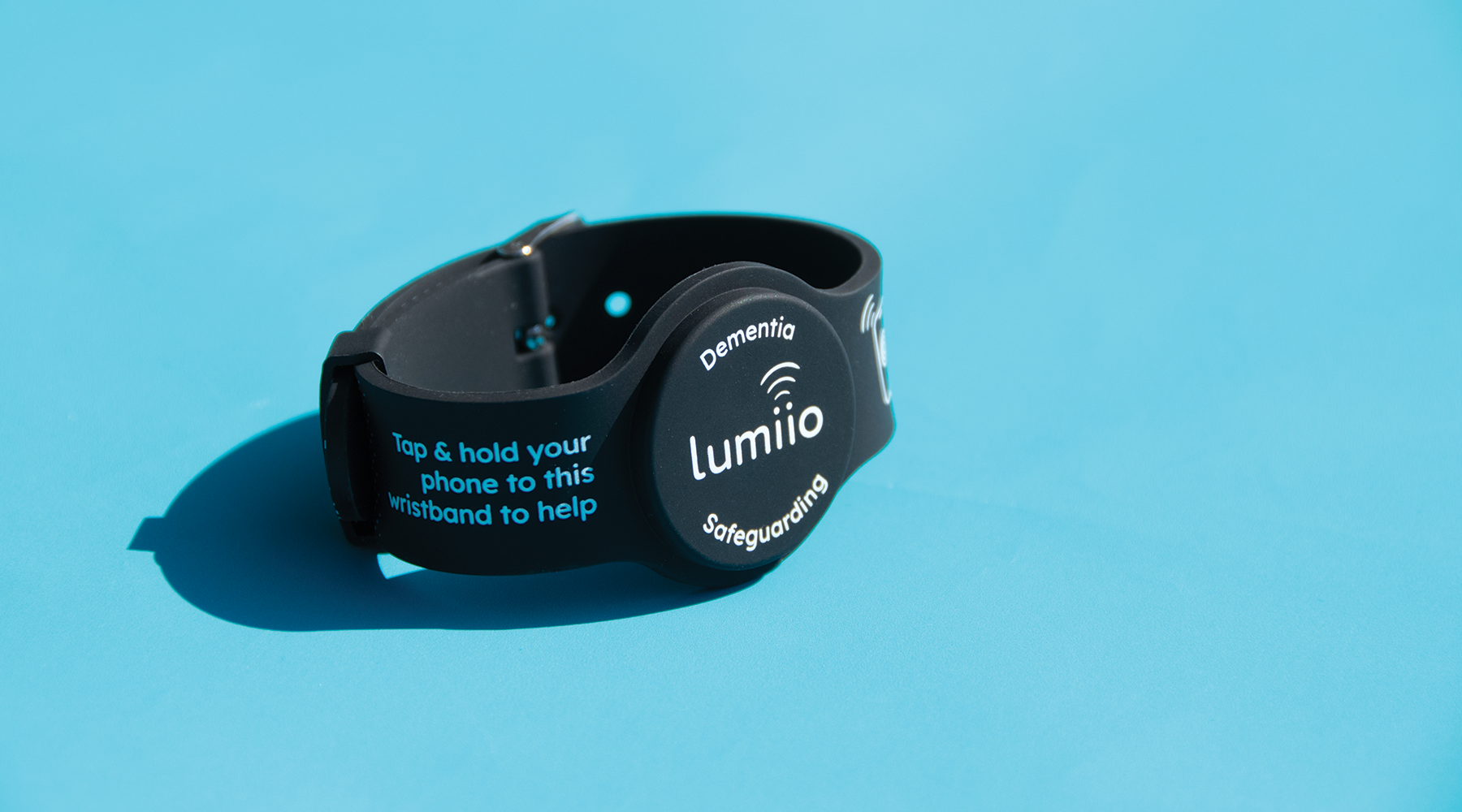
The Dementia ID Collection is a range of wearable, smart identification devices. Wearing a Dementia ID Wristband, Hangtag, or Connect Card, an individual can be immediately identified and reunited with loved ones by the sample tap & hold of a smartphone.
Using innovative NFC technology, our smart safeguarding devices securely store the wearer’s name, essential information, and two emergency contacts. As the majority of modern smartphones (Apple and Android) are NFC enabled, Lumiio ID devices are scanned without an app!
Want to learn more?
To understand more about why those living with dementia are prone to wandering and the risks this can pose, checkout our article on it here. Learn more about how Lumiio’s dementia ID devices support their wearers and how to use a Lumiio ID. Or view the collection here!

Share:
What You Need to Know About World Alzheimer's Month 2026