
What is Epilepsy?
Epilepsy is considered as common as diabetes and asthma in the UK, with estimations that 1 in every 103 individuals live with epilepsy. Despite how common this neurological condition is, there is still a lack of public knowledge and many misconceptions.
The cause for epilepsy is generally unknown for many people, called “cryptogenic” epilepsy, however sometimes it is “symptomatic” and caused by damage to the brain, most rarely it can be genetically inherited.
Epilepsy is defined as an individual having recurrent and unprovoked seizures caused by surges of electrical activity in the brain. It is best understood as a ‘seizure disorder’, as no two people with epilepsy will experience it exactly the same.
What is covered in this article?
- What are some common misconceptions about epilepsy and epileptic fits?
- What are the common symptoms of an epileptic fit?
- What are the different types of epileptic seizures?
- How to help someone having an epileptic seizure?
- What are epilepsy action plans?
- New NFC support technology for epilepsy
Epilepsy Misconceptions
“All epileptic seizures cause physical convulsions and loss of consciousness”
A tonic-clonic seizure is what is stereotypically considered a typical epileptic seizure; however, not all seizures will result in the individual losing consciousness and having muscular convulsions, in fact other seizure types can look and feel very different. There are in actuality, many different types of seizures, some individuals will even experience multiple different types during a single seizure.
“You always need to go to the hospital after having an epileptic seizure”
Not all seizures require an ambulance or hospitalization, in actuality most individuals simply need to rest and recover after seizing! In the best-case scenario, the individual seizing will have an Acute Seizure Action Plan (ASAP) or epilepsy ID which will contain details on exactly how to help and when to call for medical aid.
“If you see someone seizing you should physically restrain them”
You should never attempt to physically restrain an individual who is seizing. Restraining someone during a seizure is more likely to harm or distress both the individual seizing and person restraining than help. Similarly to medical aid, it is always best to refer to the individual’s ASAP or epilepsy ID for details on how to provide seizure first aid.
“Epilepsy is always a life-long and debilitating condition”
Although epilepsy is not currently curable, it is also not necessarily a life-long condition. Many who have childhood epilepsy will grow out of the condition, equally many who take seizure medication will also become effectively seizure free. Furthermore, if an individual has been able to stop taking medication for 5 years and been seizure free for 10, they are considered epilepsy free. Finally, epilepsy is not only very common but also manageable, with many individuals living successful lives with the condition.

Symptoms of Epilepsy
The majority of seizures begin suddenly, with little warning, and last between a few seconds and a few minutes. These are some of the most common symptoms associated with epileptic seizures:
- Unusual behaviour, like fidgeting or being unaware of behaviour
- Loss of awareness of surroundings, this can look like unresponsiveness or staring at nothing in particular
- Unusual sensations or feelings, which can be odd smells, vision changes, tingling or numbing sensations, or a sudden feeling of fear
- Urinary incontinence (wetting self) or self-defecation
- Sudden jerking and twitching movements
- Body becoming either limp or stiff
- Suddenly falling to the floor
Types of Epileptic Seizures
There are two main variants of seizures, Focal and Generalized, the two are defined broadly by where in the brain the seizure starts. Focal seizures or “focal onset seizures” begin on one side of the brain and can have varying amounts of awareness or consciousness during, with two main types: focal impaired consciousness and focal impaired consciousness seizures. On the other hand, generalized seizures or “generalized onset seizures” appear to begin on both sides of the brain at the same time.
There are many specific types of focal and generalized seizures, categorized by their symptoms including levels of awareness, physical movement, etc. Equally, some seizures may start as focal and then spread to both sides, called a “focal to bilateral” seizure.

Tonic-Clonic Seizures:
This seizure causes muscle stiffening then muscle contractions which causes bodily jerking or twitching. During a tonic-clonic seizure, the individual will likely lose consciousness and may fall, often it will last one to three minutes and can be focal or generalized. Tonic-Clonic seizures are what individuals will think of when they think about an Epileptic Seizure, although it is a misconception that all seizures look and feel like this type
Myoclonic Seizures:
These are shock-like, brief muscle contractions or jerks, typically lasting only a few short seconds. Myoclonic seizures generally do not result in loss of consciousness or a fall, likely only the dropping of any objects held. These seizures can occur as singular events or as clusters during a short period of time, often these are easily overlooked and mistaken for a tremor or clumsiness.
Atonic Seizures:
This causes some or all muscles in the body to become limp, which can make the individual drop what they are holding, cause their eyelids or head to droop, or cause falling bodily to the ground. Atonic seizures are also known as “drop seizures” and will typically last 15 seconds or less, it is important to consider protective safety gear because of potential injuries associated with the fall risk.
Tonic Seizures:
Tonic Seizures are similar to an Atonic Seizure, but cause muscle stiffening instead of limpness. Tonic Seizures may only cause a small change in the individual’s awareness, or even none at all, and will generally last less than 20 seconds. They often occur during sleep but can also happen during wakefulness, commonly resulting in falls.
Absence Seizures:
These seizures are often missed due to their briefness and lack of very visible symptoms. Absence seizures are generalized onset seizures that typically only affect the individual’s awareness during the seizure with a quick recovery. In appearance, absence seizures make the individual stop all activity and begin staring blankly or into space, their eyelids may also flutter or roll upwards.
Generally, a typical absence seizure last less than 20 seconds, most commonly closer to 10. However, an individual may also have the much less common atypical absence seizure, which has different symptoms and is slower to both begin and end.
Helping Someone Having a Seizure
Just knowing someone is living with epilepsy does not mean you will know what type of seizure they have; however, it is crucial with all epileptic seizures that someone stays with the individual seizing until it is over and they feel fully recovered. You should never attempt to restrain an individual seizing, however you should remove any potentially harmful objects from the area and attempt to cushion their head during the seizure. Once the individual has stopped seizing, gently roll them into the recovery position, ensuring their head is tilted back enough for breathing.
It is crucial to look for an epilepsy identity card or jewellery and their Acute Seizure Action Plan (ASAP) while someone is seizing. Both IDs and action plans should provide details on what seizure they may be having, guidance on exactly what to do to help, and what symptoms are abnormal or may require medical care.
A general rule for helping someone having an epileptic seizure is to only call emergency services after their seizure has lasted 5 minutes. You should also contact emergency services if this is an individual’s first seizure, if they are having subsequent seizures without recovery between them, or if they have 3 or more seizures in a 24hr window.
Most often those with epilepsy will rarely need an ambulance or hospital care after seizing, these can often only add to the individual’s distress and growing strain on healthcare services. Details on when to call an ambulance or get the individual to hospital can be found in their ASAP form or Epilepsy ID, if they have one.

Acute Epilepsy Action Plans and IDs
To manage epilepsy details, including seizure and medication information, many individuals will have a Seizure Action Plan (SAP). A SAP form compiles and organizes all seizure information, keeping these details to hand and easily accessible for when it is needed. These plans are fantastic for the individual and their family or loved ones to use for both standard medical check-ups, but also emergency situations.
Seizure Action Plans are long and detailed, due to their function as a hub of information, however this means that they can be hard for an uninformed bystander of a seizure to understand and provide support. That is why many individuals will condense their SAP form information into an Acute Epilepsy Action Plan (ASAP). ASAP forms are designed to be easy to read and understand, so members of the public know how to help.
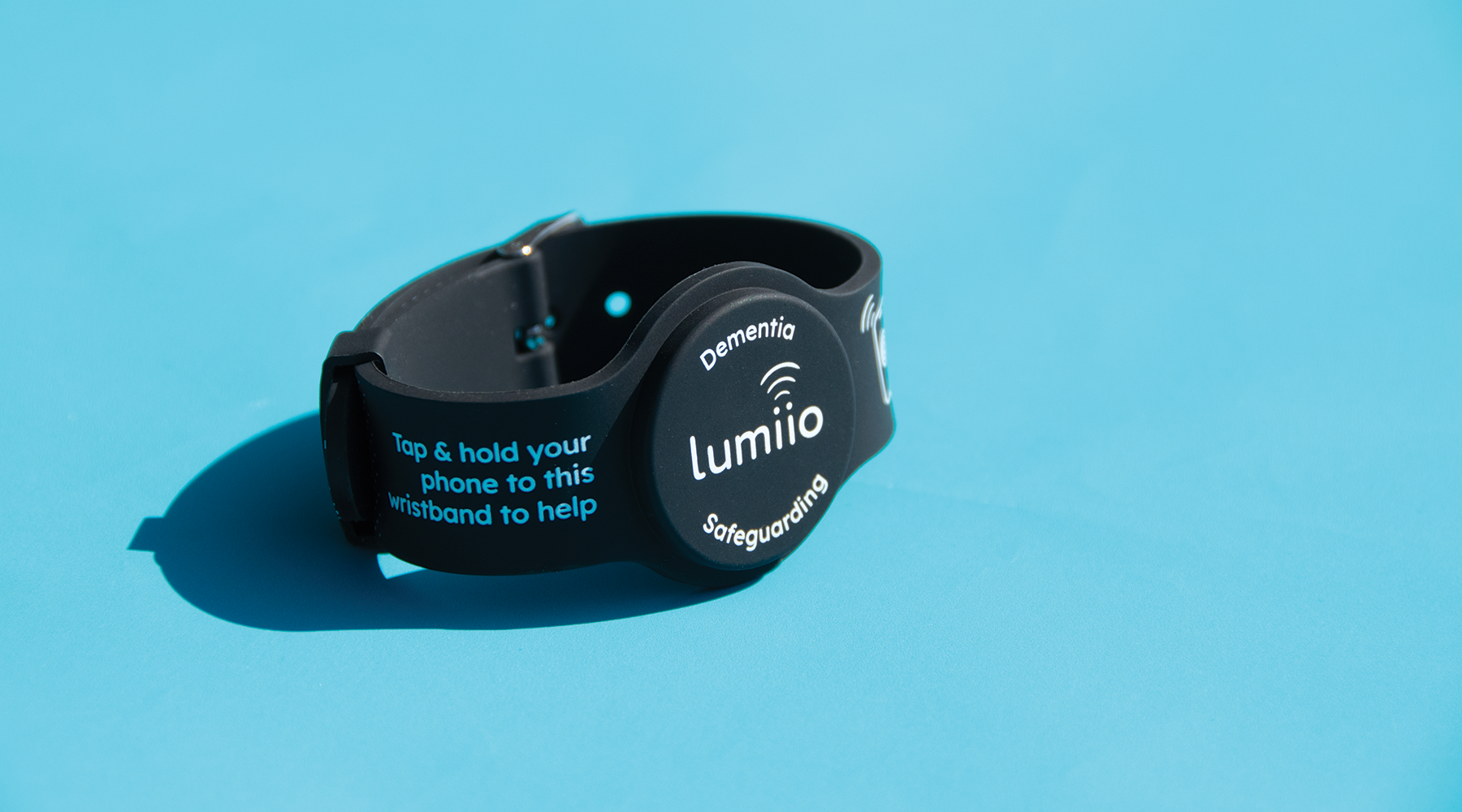
The NHS advises those with epilepsy to carry a medical ID of some form, something that clearly states you have epilepsy. Some ID cards will also have space to write details about your seizures and personalized seizure first aid. These epilepsy ID cards can be physically engraved or printed with the information, however this makes the information static and so unable to be updated. Instead, the most advanced epilepsy IDs use easily updatable, near-field-communication (NFC) technology to directly transmit the information from the card or wearable ID onto the bystander’s smartphone via a simple tap.
Lumiio Epilepsy Collection, Coming Soon…
In early June Lumiio will be launching a new NFC-enabled Epilepsy Collection! This collection includes a new, slimmer, and sleeker design of our classic wristband, a key fob, and hangtag. All products are in the classic epilepsy colour of deep purple with the call-to-action text ‘I have epilepsy, tap & hold your phone to this product to help’.
Like all Lumiio products, the Epilepsy Collection products make an individual’s name, two emergency contacts, and key personal details instantly and securely accessible. Our ‘About Me’ section has no character limit, meaning those with epilepsy can add necessary details about what is a normal and abnormal seizure for them, how to provide personalized seizure first aid, and when to call for medical support.
Click the links to read more about Using Lumiio and visit our new Epilepsy Collection!

Share:
The Epilepsy Collection Has Launched: Your Personalised Seizure First Aid, Made Easily and Securely Accessible